oświęcim
because I remember, the fourth instalment

It is over 300km from Warsaw to the town of Oświęcim, close to the current borders of Czechia and Slovakia. Two rivers meet at its edges, pushing against each other before merging and continuing on. There are streets lined with small trees and houses, restaurants and signs of daily life. Wide train tracks separate the town of Oświęcim proper from the next door village of Brzezinka, which is mostly houses with wide green lawns that overlook farm fields. In the centre of town there is a square with shops, cafes and restaurants that sits across from a memorial park for where the Great Synagogue once stood. Down the road just a few minutes, before you reach the tracks, situated across from houses and a discount grocery store, is Auschwitz. On google maps, it took me more than a minute to distinguish between the red-clay shingles of the barracks and the adjacent apartment complexes that people live in today.
On the day, we drove for over 4 hours in a bus to get there from Warsaw. I remember turning right to pull into the parking lot and seeing the cars waiting to turn left to go to the strip mall across the street. It made the hair on the back of my neck stand up, watching people go about their lives with this stark reminder of deliberate death in their midst. When something so truly evil and dark happens, is the answer to shutter all the doors and windows in the town and move somewhere else? Is it to let the ground simmer with death alone? Or is it better to fill the space around it with life, to let it into the fabric of something new? I don’t know what the answers are, but I know I thought about these questions all day, and apparently I still am, some 10 years later.
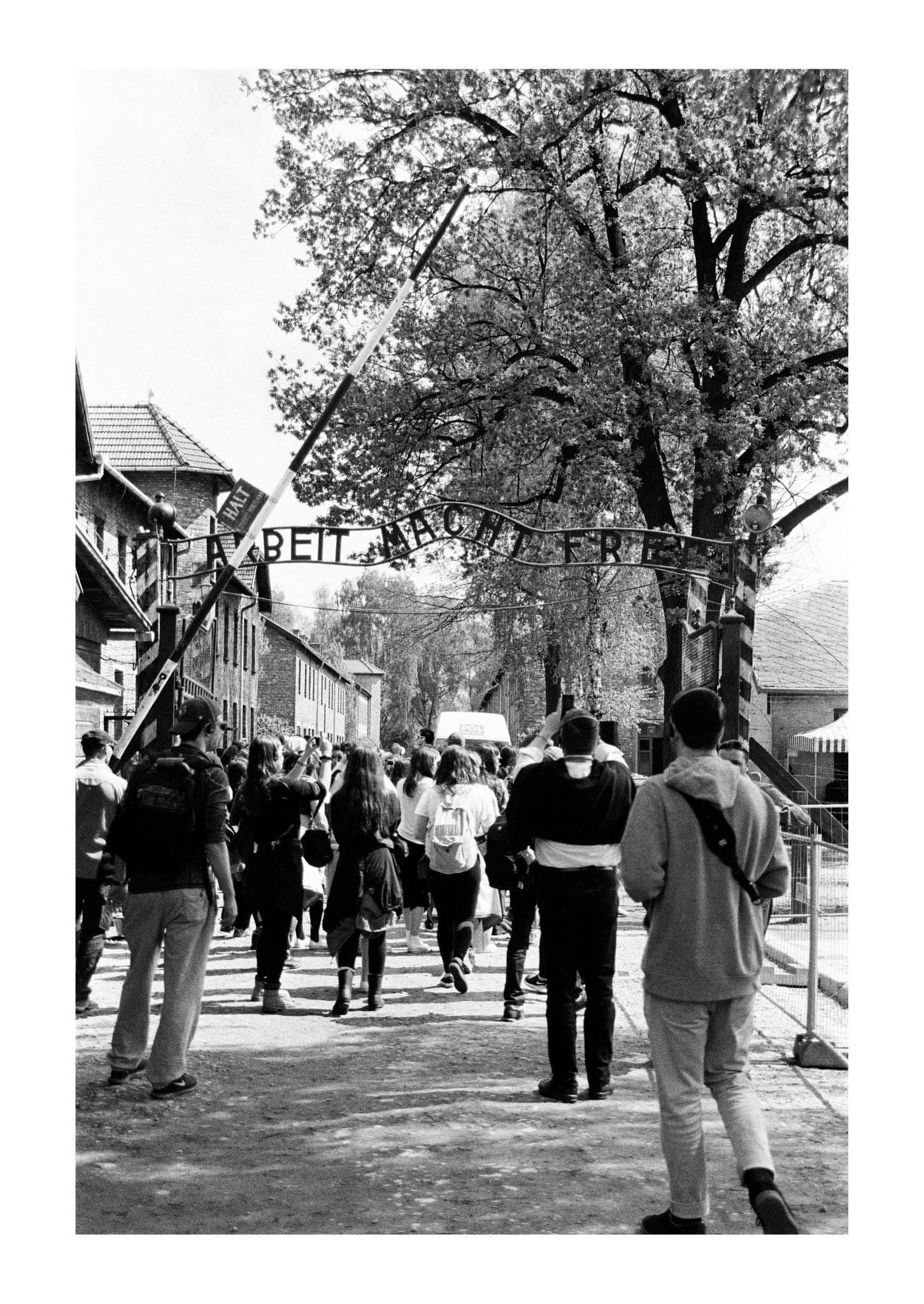
Walking through the famous gates of Auschwitz felt like something happening outside of time; like I was watching my body walk under the words arbeit macht frei while being about ten paces behind. There were not that many other groups there that day, save for our own. It was Erev Yom HaShoah, or the evening before the somber remembrance day. Yom HaShoah differs from International Holocaust Remembrance Day, which is in January and marks the liberation of Auschwitz on the same day in 1945. Yom HaShoah is just for us, with its Hebrew name and all the intimacy that comes with it. It falls on the ever-shifting Hebrew calendar date of the Warsaw Ghetto Uprising. It is a commemoration not of when others came to our rescue, but of when we rose up to defend ourselves. It is proof that we did not just go quietly to our own slaughter. It is proof that we mean it when we say Never Again.
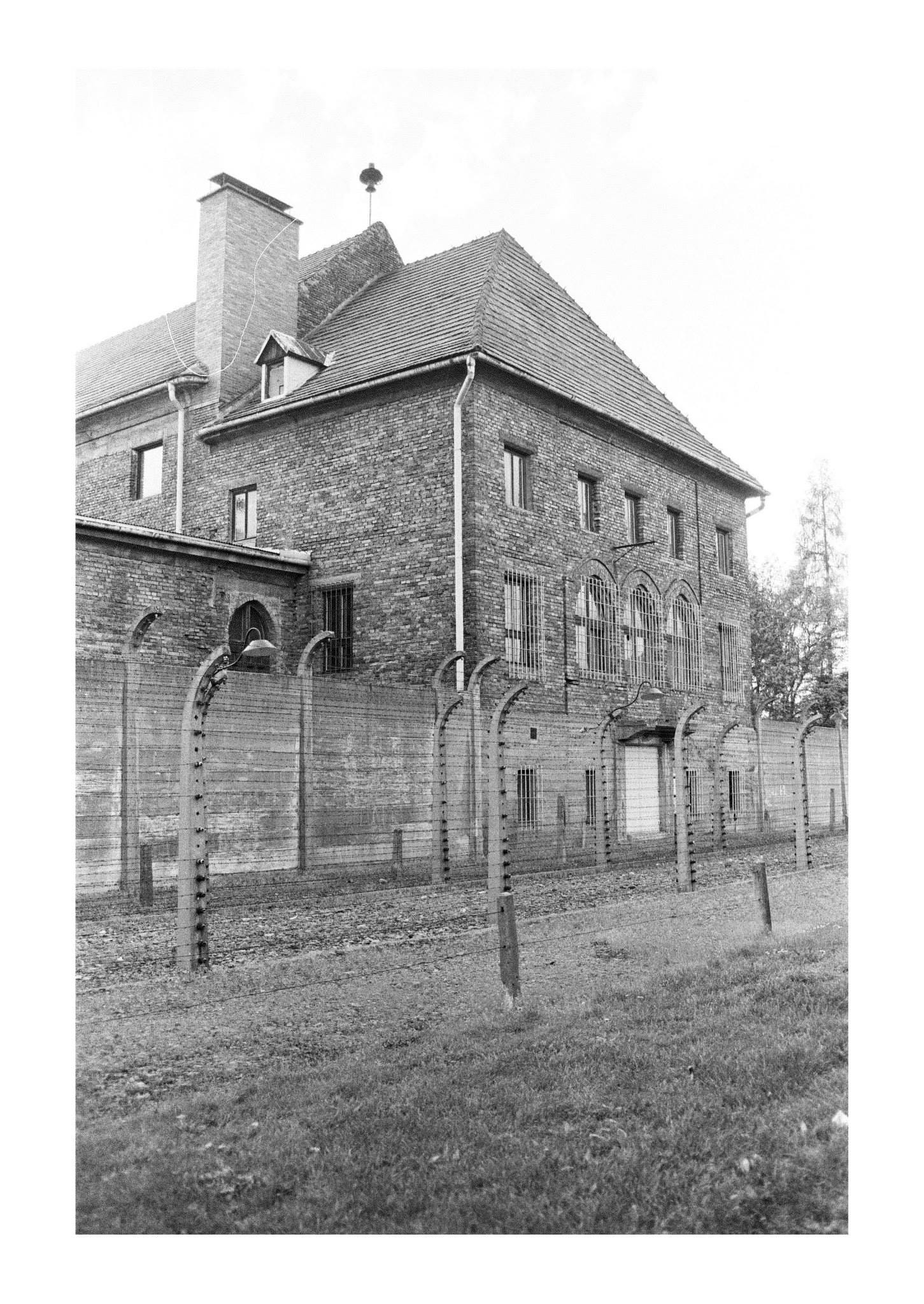
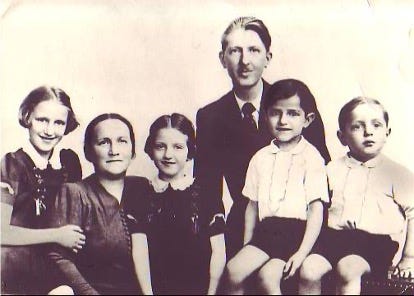
We toured the buildings and walked the grounds amongst the barbed wire and watchtowers. It was a sunny day, where many of us ended up tying sweaters and jackets around our waists, but it still felt cold. Many of the buildings at this site, Auschwitz I, have been turned into a museum, holding artefacts and images from the camp and its victims. It is here that we walked through rooms containing thousands of shoes, some only as big as the palm of my hand. There is a room full of hair that was cut off of victims before they were worked to death or murdered. Boxes and boxes of wedding rings, watches, and pieces of lives snuffed out. It is a lot to process on its own, let alone while thinking about my own family who were killed here. I think I tried to separate the two on the day, but I’m sure if I were to go back now I would have a harder time. I know I would see their faces everywhere.
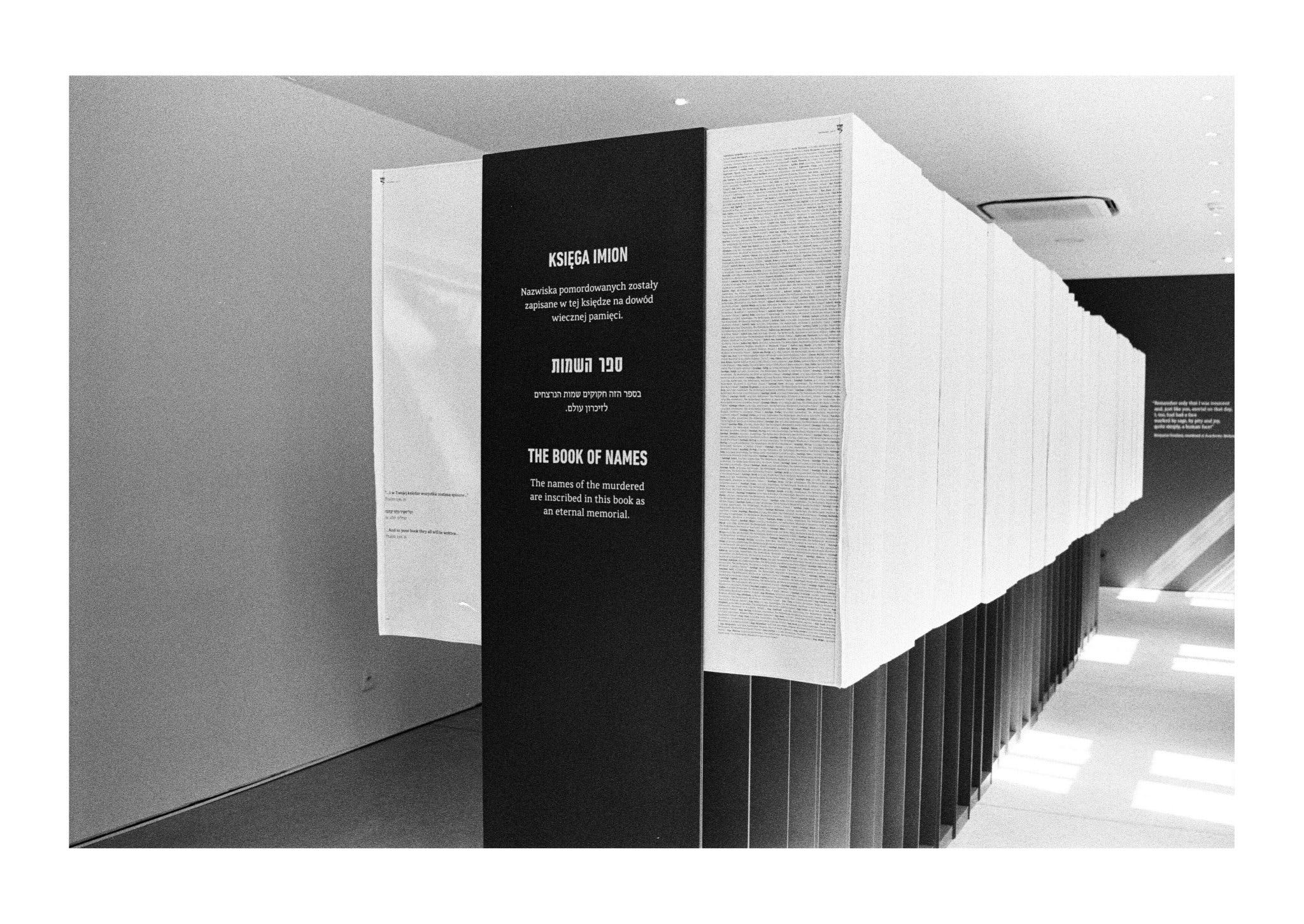
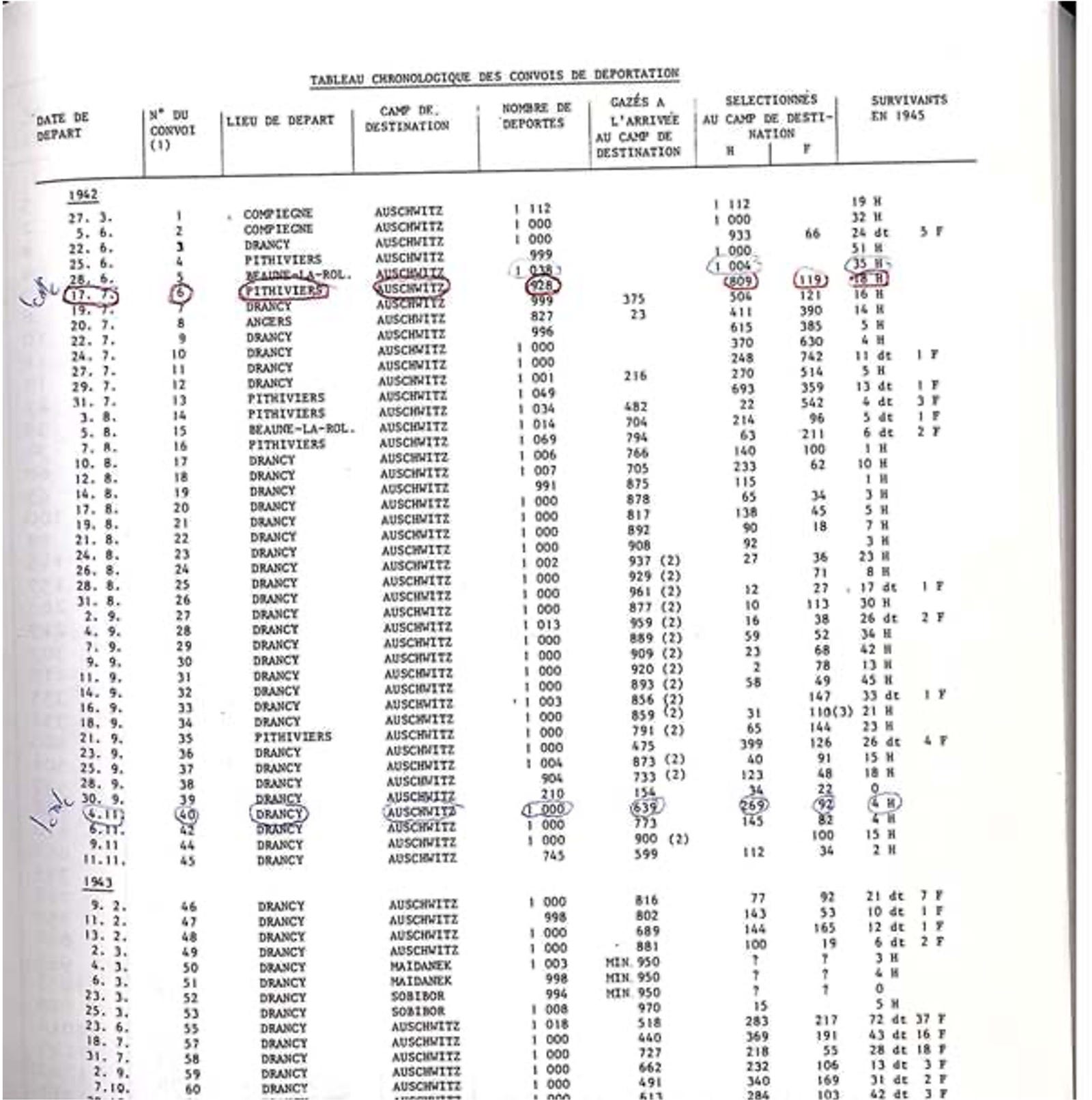
Auschwitz I was the main work camp and built before Birkenau (or Auschwitz II). They are about 3km apart but Auschwitz’ brick buildings and compact size feels miles away from Birkenau’s sprawling barracks and haunting gatehouse. Auschwitz I was not built for industrial killing — there is a single gas chamber and crematorium, used from 1940 until 1943, when the much larger crematoria at Birkenau were completed. To put the scale into perspective, 900 male prisoners were forced to work at the crematoria at Birkenau.
The gas chamber at Auschwitz I is preserved mostly in its original state. Inside it is a long, dark room. The door is made of heavy wood and the walls are cold brick and plaster. Small groups of us would walk in at a time, and when I went in I immediately felt like I couldn’t breathe. I imagined being shoved in with dozens of others, with children, with family. The walls are stained with Zyklon B and the air is stale and bitter. There are claw marks on the walls, dug in forever. I took no photos here, and after a minute I had to run outside. I pushed past the people waiting to go in and found a slope of grass to sit down because I didn’t trust my legs. I put my head in my hands and cried.
While Auschwitz is far from Warsaw, it is much closer to Krakow. After we finished touring the site we went there to walk through the old Jewish quarter (something most cities in Europe have in common? An old Jewish quarter or ghetto where the Jews of the city were segregated that is now an area with trendy bars, shops and galleries) We visited two old synagogues no longer in use and had a ceremony bringing in Yom HaShoah at another one. We went to bed that night knowing that the next day would bring what the trip had been leading up to: A march from Auschwitz to Birkenau, commemorating the death march that so many would have been forced to do. I remember sitting on my bed in the hotel and rewinding my film, pressing in a new black and white roll to be used tomorrow.